Prairieville Animal Hospital Veterinarians: Hot Weather Pet Safety
The first week of summer in Prairieville brings longer days, louder cicadas, and a steady uptick in the questions I hear from clients about keeping dogs and cats comfortable when the heat is wearing down the edges of the day. As a Prairieville Animal Hospital veterinarian who has watched clients bring in pets with heat stress, dehydration, and the occasional heat-related emergency, I have learned that safety is less about dramatic actions and more about steady routines, practical adjustments, and paying attention to the signals a pet gives you. This article draws from years of day-to-day practice, the conversations I have with families, and the small, incremental changes that add up to safer summers for pets.
Heat is not merely a matter of high numbers on a thermometer. It is a composite of temperature, humidity, sun exposure, airflow, and a pet’s individual physiology. Dogs and cats have different cooling mechanisms than humans. Humans sweat through a large surface area and can regulate temperature with relative independence from the environment. Pets, especially short-nosed breeds or overweight animals, may struggle more. The cagey truth in practice is that the same outdoor activity plan does not fit every animal, and what seems harmless in the moment can become dangerous within a short walk or a parked car that traps heat.
I want to walk you through a practical, experience-based approach to hot weather pet safety. We will look at daily routines, preventive plans for summer travel, common warning signs that deserve a vet’s eyes, and the realities of treating heat-related issues when they arise. The goal is to arm you with adaptable strategies rather than rigid rules, because pets respond to heat in nuanced ways that depend on breed, age, health status, and even temperament.
Keeping cool at home and on the go
The first and most important line of defense is simple, habitual routines that minimize heat buildup. In my practice I often see problems stem from overlooked early-stage heat stress. A dog left in a shaded area can still overheat if a light breeze doesn’t circulate and there is no water within easy reach. The key is to create a microclimate around the animal, one that makes the difference between a day that ends in a tired, content pet and a trip to the clinic for dehydration or heat exhaustion.
In the home, designate a cool zone. It should be a room with good ventilation where a fan can move air without creating a draft that makes a dog uncomfortable. I recommend keeping a shallow bowl of water with non-slip placement so curious noses won’t spill it. If you have tile or wood floors, those surfaces can help dissipate heat when an animal is resting their paws. A thoughtful approach means setting a predictable schedule: water checks every few hours, a brief quiet period during the warmest part of the afternoon, and a familiar feeding routine that doesn’t abruptly change during heat waves.

Outdoor activity requires more nuance. A daily walk remains essential for dogs, but the timing, duration, and route should reflect the day’s heat index rather than a fixed stopwatch. In practice, I see families underestimate the impact of asphalt. Paw pads can burn when dogs walk on hot pavement, and even a short stroll can cause distress if the surface is blistering. If the ground is too hot for you to touch with the back of your hand for five seconds, it is too hot for a dog’s paws. A similar rule applies to cat outings; when a cat is outdoors, the risk is less about salt on paws and more about airflow and exposure to direct sun, which can lead to overheating quickly in an enclosed outdoor space.
On the surface, adjusting walking times in the summer seems straightforward, but there are subtle realities. For one thing, humidity can stall the evaporation of moisture from a dog’s tongue and airway, reducing the body’s cooling capacity. In Prairieville’s climate, that combination is common in late mornings and early afternoons. If you live near water or shade trees, small microhabitats can be created by simply moving a portable shade structure or bringing a lightweight stroller for a senior dog that tires easily. I’ve had dogs that love sun on winter coats, only to retreat to a shade patch after a few minutes of stepping outside in the heat. This is not a failure of training; it’s a sign that the pet’s internal thermometer is signaling a need for a break and a new plan.
Hydration is another pillar. When we talk about water, the instinct is to pour more, but the body’s demands are not purely about volume. The temperature of the water can matter to vet near prairieville la some pets, especially those with a more sensitive stomach. I have treated dogs who enjoyed cool water from the fridge while their family was preparing a barbecue, and I have seen that sudden ice-cold water can cause a vomiting episode in some animals. A practical approach is to offer fresh water at a comfortable temperature, in a stable supply, and to stagger water access around activity rather than forcing a large intake in a single moment. For puppies and elderly pets, more frequent, smaller sips reduce the risk of bloat or gastrointestinal upset during hot weather.
Traveling and heat while on the road
Travel introduces a cascade of risks that can caught families off guard. Vehicle heat buildup is a common factor in preventable emergencies. In warm weather, even a car cracked open with a 72-degree outside temperature can feel like a sauna inside after a short stop. My guidance is practical and specific: never leave a pet unattended in a parked car, not even for a moment. The interior of a car can rise rapidly, reaching dangerous temperatures within minutes. If you have a long trip planned, map out rest stops where animals can exit the vehicle, stretch their legs, drink water, and cool down in the shade. If your schedule requires long distances, consider a plan that alternates between driving and short outdoor breaks rather than pushing through with a full shutdown of the car’s climate control.
If you fly with a pet, know the airline’s policy and your destination’s climate. Some breeds tolerate heat less well, and a pet’s heat tolerance is shaped by several factors including breed, age, and underlying health issues. In our practice we frequently counsel families to consult with a Prairieville Animal Hospital veterinarian when planning travel during summer months. The goal is to avoid making a decision in the heat of the moment and instead confirm the pet’s needs ahead of time.
Anecdotes from the clinic often illustrate the delicate balance between exercise and heat. A dog that seems relaxed after a brisk morning walk can become restless during a car ride if the engine heat adds to the interior. I have treated cats who appear perkier after a ride to the beach, only to become overheated while perched in a sunny window on arrival. The moral is not to mistake initial energy for safety. Heat can disguise itself as normal behavior before it escalates into distress.
Recognizing warning signs early
The signs of overheating can be subtle at first, especially in active dogs that are used to keeping pace with family routines. A common misperception is that fatigue is the only signal. In reality, lameness, reluctance to stand, or a change in breathing pattern can precede more obvious symptoms. A telltale sign is excessive panting that continues despite rest or a rapid, shallow breath pattern. In dogs, the tongue may appear bright red as blood flow increases to dissipate heat, and gums can become pale or gray if dehydration is also present. With cats, early signs may include excessive drooling, pacing, or seeking out cool spaces and then hiding when overheated. Both species may show signs of weakness, disorientation, or vomiting if heat exposure is significant.
When heat stress progresses to heat stroke, the signs intensify quickly. A pet may collapse, lose consciousness, or stop panting effectively. Temperature elevation is a defining feature but you should not rely on measuring at home as a substitute for urgent professional care. If you suspect heat stroke, approach the situation with caution. Move the animal to a shaded area, offer small sips of cool water if the animal can swallow without vomiting, and contact a veterinarian immediately. In heat stroke, body temperature can rise rapidly, and delays in cooling can lead to organ damage. The rapid response is essential, not optional, and the clinical team at Prairieville Animal Hospital is prepared to guide owners through stabilization and subsequent treatment.
A practical, experience-based approach to monitoring
The good news is that most heat-related issues are preventable with routine habits. In my practice, families who adopt a proactive stance—checking weather forecasts, planning daily activity around heat indices, and maintaining predictable hydration—typically encounter fewer visits for heat emergencies. The essence is simple: treat hot days as a recurring event rather than a rare anomaly. Over time, homes and routines become resilient and adaptable to the season.
To help you put this into action, consider the following two-part approach. First, frame daily expectations around the day’s heat index rather than a fixed schedule. If the index climbs into ranges that felt uncomfortable during your last vacation, shorten outdoor time or switch to indoor enrichment activities. Second, implement a brief, consistent safety check when you begin and end each outdoor session. This small ritual can catch something that would otherwise go unnoticed—the surface temperature of a walkway, the amount of water available, or a pet’s level of interest in continuing a walk.
Dealing with medical conditions in hot weather
Underlying conditions complicate heat safety. Dogs with obesity, heart disease, thyroid issues, or respiratory problems can overheat more readily. Cats with kidney disease or metabolic disorders may also require extra attention. When a pet has a known health issue, I advise front-loading the summer plan with medical guidance. A Prairieville Animal Hospital veterinarian can help tailor a hydration strategy, adjust exercise guidelines, and identify medications that could influence temperature regulation. It is not about fear or overprotection, but about safety margins that align with the animal’s health realities.
For elderly pets, the imperative becomes cumulative. Age reduces the efficiency of temperature regulation, and arthritis can make movement painful in heat. I have seen older dogs tolerate heat poorly even if they have been steadfast travelers and athletes in youth. In those cases, the daily regimen is adjusted downward in terms of distance, pace, and duration while still preserving mental engagement through environmental enrichment, gentle brushing, and scent games that provide stimulation without physical strain. For older cats, access to a cool, quiet space during the hottest part of the day can transform a day from stressful to manageable.
A two-part safety framework that I have found helpful
- Environment first. Create cool spaces, ensure shade is available, and keep fresh water within easy reach. A shallow, wide bowl tends to be easier for dogs to lap from than a deep container that can trap air and cause discomfort when the dog drinks.
- Activity second. Keep physical exertion aligned with the day’s heat levels. Short, frequent outings can be more effective for mood and exercise than a single long session. A few minutes of play or a slow walk may be better than an hour in heat.
Practical tips from the field
I have learned a few practices over the years that tend to pay off when heat rises in Prairieville. They come from real-life situations rather than textbooks.
- Shade matters more than distance. A short walk in a well-shaded park is often preferable to a longer route that exposes a dog to direct sun. If you are unsure about shade quality, test it yourself by standing in the area for a few minutes and imagining the animal resting there.
- Water taste matters to some pets. A small hedge between flavor preference and hydration can be explored by offering a couple of water options in rotating containers. Some dogs lick more eagerly from a stainless steel bowl than from a plastic one, while cats often prefer a ceramic dish kept in a cooler corner of the kitchen.
- Micro-breaks beat endurance runs. If you are training a dog for a race or a long hike, sprinkle in micro-breaks to cool down and rehydrate. These breaks prevent a steep drop in performance and reduce risk of overheating.
- Be mindful of heat buildup in outdoor enclosures. If your yard has a kennel or a run, ensure there is a shaded, ventilated space with access to water. A poorly ventilated area can trap heat even when the rest of the yard feels comfortable.
- Pets adjust to the owner’s schedule. If you keep to an early morning routine and an evening wind-down, your pet acclimates to the rhythm, even in warmer days. Predictable routines can lessen stress responses that often masquerade as behavioral problems.
- Summer safety applies to all pets. While dogs dominate heat-related headlines, cats, rabbits, and other small mammals are not immune. Rabbits, in particular, can suffer heat stroke quickly because their bodies lack the same thermoregulation capacity as larger animals. A quiet corner with a fan and cold packs can make a difference.
Two concise checklists to keep handy
The following two lists are meant to be practical, not ceremonial. They fit easily onto a fridge or inside a travel bag and are the kind of reminders I want families to have at hand when heat ramps up.
-
Quick daily heat safety checks
-
Water: fresh, accessible, and plentiful
-
Shade: always available when outdoors
-
Ground warmth: avoid hot pavement; test with the back of your hand
-
Activity: shorter, more frequent sessions during peak heat
-
Observation: watch for panting, drooling, or reluctance to move
-
Signs to seek veterinary care promptly
-
Lethargy that doesn’t improve after a rest
-
Weakness, collapse, or staggering
-
Abnormal breathing, rapid or muffled sounds
-
Vomiting that persists after a small sip of water
-
Pale or blue-tinged gums or tongue

A note on seasonal planning and local realities
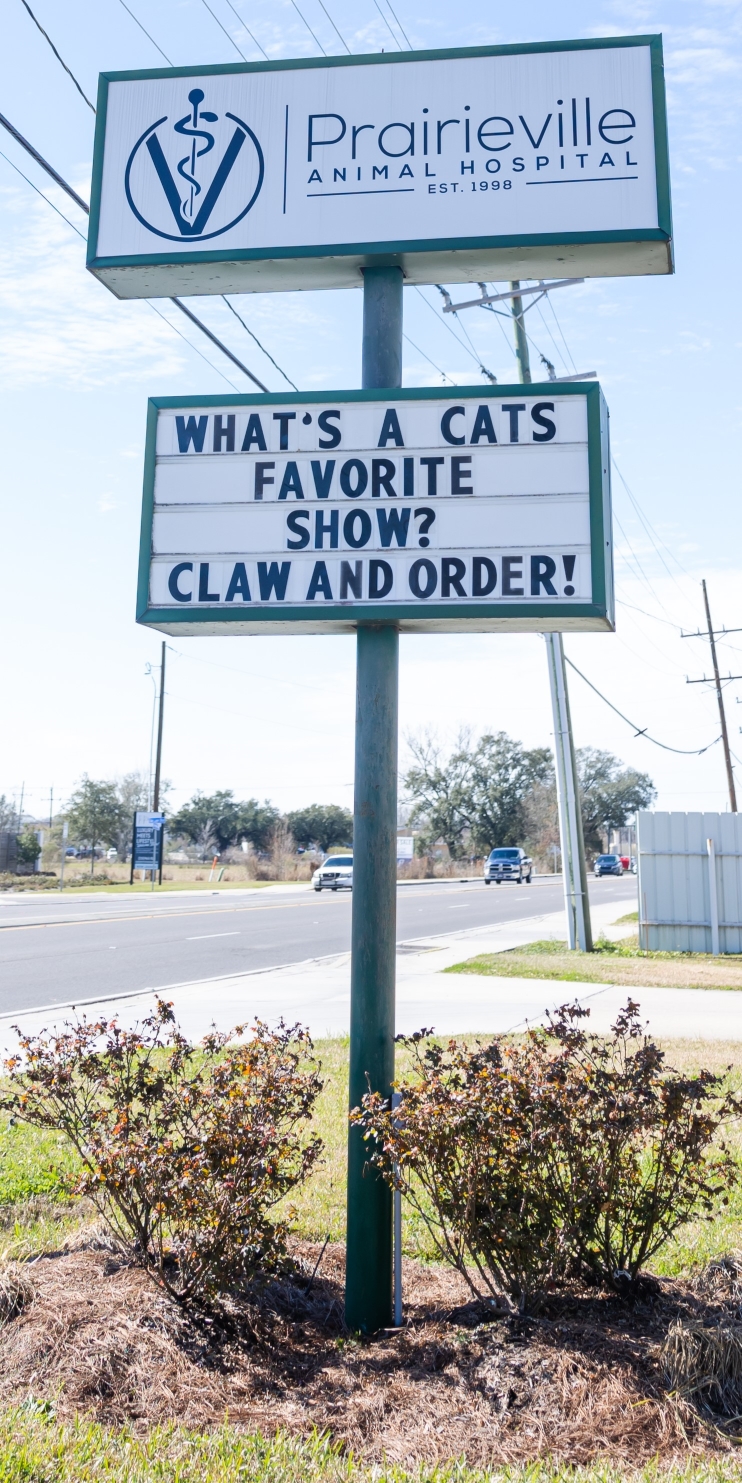
The Prairieville climate has its own rhythms. We see humidity spikes and sudden heat waves that catch families by surprise. The animals adapt more easily when their owners anticipate these shifts. I have watched people who plan ahead—preparing a shade canopy, organizing a car with climate control, and scheduling a mid-day indoor activity window—sustain healthier routines for their pets throughout the season. The key is to think of heat safety as a series of small, continuous decisions rather than one big, heroic effort when trouble appears.
What to expect from a veterinary visit during hot weather concerns
If you ever find yourself bringing a pet to Prairieville Animal Hospital because you suspect heat-related stress, you will notice a few consistent responses in the clinical setting. First, we verify hydration status, look for signs of dehydration, and assess the animal’s core temperature. Depending on how long the animal has been overheated, we may implement cooling protocols in a controlled, monitored manner to avoid shocking the system. In the clinic we evaluate electrolyte balance, kidney function, and heart rate, while simultaneously addressing any underlying conditions that might compound heat problems. The goal is to stabilize the animal, correct imbalances, and craft a plan that reduces risk going forward.
During these visits we also discuss long-term steps. In some cases, hydration strategies are adjusted, and owners receive targeted advice about exercise timing, reflective gear, and environmental controls. We might recommend a gradually progressive exercise plan that builds tolerance to warmer days or a change in diet to support hydration and energy levels. The conversation is pragmatic and rooted in what has worked for nearby families, what diagnostics show in the animal, and what can be realistically implemented at home.
Real-world scenarios that illustrate practical decisions
Consider a family with a terrier mix who loves to accompany them on summer hikes. The dog has a sturdy build but a tendency to overheat if not monitored. The family and I map out a plan that includes dawn or dusk hikes, a shade strategy along the trail, and a plan for rest breaks in cool spots. We discuss the best types of water-containing gear they can carry—collapsible bowls, lightweight hydration packs—and we review how to identify early signs that the dog needs a break. The result is a sustainable routine that preserves the dog’s love of the outdoors while prioritizing health.
Then there is the cat that enjoys a sunlit windowsill during the day. The risk here is not walking into a hot park but rather letting the sun bake a compact, heat-retaining space. The discussion centers on creating a cooler sleeping area for the cat, setting up a small fan with a breezy airflow, and ensuring the cat has undisturbed access to water and a cool towel or mat to lie on. These adjustments are small, but they transform a daily routine from a potential hazard into a predictable, safe part of life.
A final note on community and shared learning
When I talk with other Prairieville Animal Hospital veterinarians, there is a shared sense that heat safety is about real-world, everyday behavior. We hear from families who report back after trying a recommended change and noting improvements in their pet’s comfort and energy. That feedback loop helps adjust our guidance and keeps it grounded in what works in our community. It also reinforces a broader truth: the best heat safety plan respects the animal’s individuality, the family’s rhythm, and the local climate, combining them into a pragmatic lifestyle rather than a theoretical guideline.
Closing thoughts
Hot weather does not have to be a series of risky moments or last-minute emergencies. With a practical approach that centers on hydration, shade, and mindful activity, you can keep pets healthy, active, and content through the heat of summer. The core idea is to stay ahead of heat stress by anticipating needs, recognizing early warning signs, and knowing when to seek professional help without hesitation.
As a Prairieville Animal Hospital veterinarian, I have seen the difference between reactive care and proactive care. The latter demands a little discipline, a few simple adjustments, and a readiness to adapt as temperatures rise. It is not about fear or alarm, but about respecting the animal’s physiology and the family’s daily life. If you carry these principles into your routine, you will likely notice fewer heat-related concerns and a smoother summer for both pets and the people who love them.