Prairieville Animal Hospital Veterinary Tips for New Pet Parents
The first weeks with a new cat or dog feel like a blend of relief, curiosity, and a touch of trepidation. At Prairieville Animal Hospital, we’ve walked with hundreds of families through that initial period. The goal isn’t to convince you that you’re a perfect owner from day one, but to help you move with confidence as you learn your pet’s quirks, preferences, and health signals. This piece lays out practical, experience-informed guidance that spans the practicalities of daily life to the subtle cues that signal wellness or trouble.
Finding the rhythm of a new companion begins before you bring them home. If you’ve adopted from a shelter, a rescue, or a breeder, the starting point is a conversation with your veterinarian about any known medical history, previous medications, and vaccination status. If you’re joining a household with existing pets, plan for a slow, supervised introduction. Pets enter homes with distinctive temperaments. One dog may take to a curious cat, while another prefers a clear boundary and a longer leash of space. Your job as a new pet parent is to observe, adjust, and reinforce routines that create predictable safety and positive associations.
A few days of patience will yield a surprising payoff. When you can anticipate your pet’s needs, your household returns to the rhythm you intended. The core of successful pet parenting rests on reliable care: consistent feeding, regular veterinary touchpoints, enrichment that matches your animal’s energy, and a shelter of calm during the inevitable bumps.
Setting up for success: the environment you provide, the rules you establish, and the pace you set all matter as much as the food you offer or the toys you choose. We’ll walk through the arc of early days, steady routines, and the signals that tell you when you’re on the right track or when you need to pivot.
First steps that make a difference
The moment your new animal arrives is a window. They’re learning your home, your smells, your routines, and your family’s expectations. You can shape that window with a few deliberate moves. Begin with a safe, quiet space that can function as a retreat when stress spikes. A crate for a dog, a secure corner with a bed for a cat, or a small playpen for a startup period can reduce fear and prevent accidents. In those first days, your goal is to minimize chaos while you observe. The calm you project will be felt by your pet as well.
A basic checklist helps you stay anchored. Food and water bowls should be stable and non-tip, placed in a low-traffic zone so your pet can eat and drink without feeling surrounded by activity. A washable mat under the bowls makes cleanup simple if spills occur. A few durable, safe chew items keep teeth and jaw muscles engaged, while softly padded corners reduce the risk of bumps as your new friend learns the layout of the space.
Your schedule matters as much as the items you place in the room. Young animals especially benefit from regular, predictable routines. Feeding times, potty breaks, short training sessions, and quiet periods should happen roughly at the same times each day. The predictability reduces anxiety and fosters trust. You’ll notice patterns emerge within a week or two, and when they do, your pet starts to anticipate what comes next with less stress.
Health signals you should know early on
A pet’s body tells a story if you learn to read it with attention. A healthy puppy or kitten often has a bright gaze, a steady appetite, and normal activity levels. They should sleep enough, but not excessively, and display a curiosity that translates into play. Any persistent vomiting, diarrhea, lethargy lasting longer than a typical rest, coughing, nasal discharge, or limping deserves a call to your veterinarian. We see patterns where a mild, transient issue becomes more complicated if ignored, and our job is to help you decide when to treat at home or when to seek care.
When you contact Prairieville Animal Hospital after hours or on weekends, you’ll be guided through triage questions designed to determine urgency. If you’re in doubt, it’s safer to check in. That contact, early on, sets a tone for care that protects both your pet and your family.
The first veterinary visit is more than a vaccination. It’s a two-way assessment: your pet’s physical baseline and your goals as a caregiver. We discuss weight range for age and breed, dental health, skin and coat condition, and behavior. You’ll likely walk away with a vaccination schedule, a deworming plan if needed, and a practical plan for flea and tick prevention. We also review microchip safety and the importance of updating contact information with the microchip registry if you move or switch phone numbers. That appointment should feel like a guided tour of your pet’s health, not a single stop on a calendar.
Feeding with intent
In practice, the nutrition conversation for a new pet centers on a few concrete decisions. The first is portion guidance. It’s tempting to measure by the scoop you’ve always used, but your pet’s caloric needs vary with age, weight, activity level, and metabolism. Your veterinarian can help you set a daily target, then adjust as your pet grows. We prefer to break meals into two or three portioned feedings per day for puppies and kittens under six months, and once or twice a day for adults, unless a particular breed or medical condition calls for a different pattern. This approach stabilizes energy and digestion.

The second decision is the kind of food that works best for your pet. It comes down to a balance between convenience, budget, and nutritional adequacy. Look for products with complete and balanced statements on the label, approved by a trusted authority, and that list a named protein as the first ingredient. For pets with sensitive stomachs or allergies, you may need to try a limited ingredient diet, or a prescription option advised by Prairieville Animal Hospital. Always introduce changes gradually, over a week or more, to minimize the risk of gastrointestinal upset. A sudden switch can produce loose stool, vomiting, or a drop in appetite, which can be alarming to new owners.
Treats should complement meals, not replace them. We often see owners over-treat, especially during training. The result can be a weight problem or a picky appetite for regular meals. If possible, use treats sparingly and count them as part of the daily caloric plan. Remember that not all human foods are safe for pets. Foods pet care prairieville la containing chocolate, xylitol, grapes, onions, or high-fat content can be dangerous, even in small amounts. If you enjoy sharing a bite with your animal, ask us for a list of safe, occasional options tailored to your pet’s health and dietary restrictions.
Enrichment as essential care
A pet with a stimulating environment stays healthier and happier. Enrichment isn’t a luxury; it helps prevent behavior problems that can arise from boredom. A simple routine can be effective: short play sessions that incorporate puzzle feeders or treat-dispensing toys, a daily leash walk that matches your dog’s energy level, and a rotating selection of toys that keeps interest high without overstimulation. Dogs often enjoy scent work, basic obedience cues, and gentle social play with trusted companions. Cats may prefer vertical spaces, scratching posts, and interactive wand toys that engage hunting instincts without encouraging destructive behavior.
The goal is to tailor enrichment to your pet’s temperament. A curious hound might thrive on short, brisk walks and a few problem-solving puzzles, while a quiet cat may prefer a sunlit perch, a window to monitor the world, and occasional interactive play that respects their pace. You’ll learn to read body language—ears a certain way, tail position, eye contact, or a sudden stillness—and adapt the routine in real time.
The role of preventive care
Vaccinations establish the baseline protection that keeps your pet safe from several infectious diseases. The typical schedule for puppies and kittens is a series of early vaccines followed by boosters at specific intervals. Your veterinarian will tailor the schedule to your pet’s risk factors, including travel plans, exposure to other animals, and local disease prevalence. Dental care is another crucial preventive measure. Regular brushing, dental chews, and professional cleanings can prevent periodontal disease, which in turn impacts heart and kidney health.
Seasonal care adds layers of protection. In warmer months, flea, tick, and heartworm prevention becomes essential for dogs and cats that venture outside. In certain climates, indoor-only pets still benefit from parasite prevention because eggs and larvae can hitch a ride on clothing or footwear. We often see owners underestimate the importance of parasite prevention for indoor animals, a point worth repeating during your annual wellness visit.
The microcosm of behavior
Behavior often reveals the state of a relationship between you and your pet. A well-adjusted animal looks for guidance from a familiar voice, moves with a confident but not aggressive stride, and shows a willingness to interact that comes from days of positive experiences. Problems emerge when boundaries are unclear or training is inconsistent. A key practice is to set clear expectations for your pet’s behavior and to reinforce them consistently. If your dog learns that a certain cue means a walk and another cue means a snack, the dog develops a reliable map of the day. If a cat learns that the sound of a can opening signals a treat, you’ve established an association that supports positive routines.
When there are signs of anxiety or frustration, some households turn to counterproductive measures. Yelling or punishment-based training tends to deepen fear and reduce trust. The healthier path relies on patient redirection, rewarding calm behavior, and using management tools like a crate or playpen to create safe, predictable spaces. If anxiety or aggression becomes a pattern, seek guidance from a veterinarian or a qualified animal behaviorist. It isn’t a failure of your parenting; it’s an opportunity to develop more efficient communication with your animal.
Practical care: day-to-day routines that keep a pet thriving
A robust daily routine has a simple core: consistency, observation, and timely veterinary input. We’ve seen families flourish when they convert uncertain mornings into a predictable sequence. The sequence typically runs like this: wake up, quick potty break, a short walk or play session, feeding, a moment of calm, then a return to the day’s activities. In households with multiple pets, the routine extends to shared spaces, supervised introductions, and periodic rotation of toys and enrichment activities to prevent resource guarding.
Grooming matters, even if your pet seems low-maintenance. A light brushing regimen reduces shedding and skin issues, while the act of grooming reinforces your role as a caregiver in a routine that your pet can learn to enjoy. For dogs with long coats, regular brushing and occasional trimming prevent mats that can cause discomfort or skin problems. Cats with dense fur benefit from occasional brushing that helps reduce hairballs and improves coat health. If you notice dandruff, excessive shedding, or a skin lesion, a veterinary check is warranted. Skin issues often signal allergies, parasites, or dietary concerns, and early intervention improves outcomes.
Managing the vaccination and medical log
A precise record of vaccines, microchip information, and preventive medications is your best defense against confusion and missed care. We encourage families to keep a digital and physical copy of veterinary records. A simple template can include vaccination dates, deworming schedules, flea and tick preventives, heartworm prevention, and any noted reactions to medications. When you move, or when you purchase from a new breeder or rescue, update these records. The more complete your history, the easier it is for us to tailor care to your pet’s unique needs.
Emergencies and urgent care: knowing when to seek help
Emergencies have a way of appearing at the worst possible times. A pet in distress can hide pain behind a wagging tail or a purr. That’s why education about warning signs matters. Immediate concerns include difficulty breathing, collapse, major trauma, uncontrolled vomiting or diarrhea for more than 24 hours, or sudden inability to stand. If you observe these signs, contact Prairieville Animal Hospital or your nearest 24-hour emergency clinic right away. If you face a non-emergency situation, a same-day appointment can still deliver timely guidance and prevent issues from escalating. Our team prioritizes clear, direct communication so you understand what you need to do and why.
Choosing a veterinary partner in Prairieville
A successful relationship with a veterinarian hinges on clear communication, mutual trust, and a shared commitment to your pet’s ongoing wellbeing. You want a team that explains options in plain language, respects your time, and helps you implement a plan that fits your lifestyle and budget. That means listening to your questions about nutrition, behavior, or preventive care and offering practical solutions. It also means acknowledging constraints—work schedules, travel, and finances—and helping you navigate them without guilt or judgment.
A good veterinary practice becomes an ongoing partner rather than a set of episodic visits. It’s about building a long-term plan that adapts to age, changes in activity level, and evolving health considerations. For many families, the relationship with their Prairieville Animal Hospital vet clinic grows out of a shared rhythm: early morning wellness checks, evening questions about a wobbly appetite, weekend drives to the clinic for a quick recheck, and the sense that care is truly close to home.
Two lists to guide your early days and first visits
- Essential supplies for a smooth start
- Stable food and water bowls, plus a non-slip mat
- A comfortable crate or containment area suited to age and size
- A few durable chew toys and enrichment toys
- Grooming tools appropriate for coat type
- A basic first aid kit and your veterinarian’s contact information
- Questions to bring to your first veterinary visit
- What is the ideal vaccination schedule for my pet, given age and risk factors?
- How should I adjust feeding portions as my pet grows?
- What parasite prevention do you recommend for my environment?
- Are there any signs of potential allergies or sensitivities to monitor?
- What behavioral cues should prompt a return visit or a behavioral consult?
The edge cases that shape how you practice care

Every household has its quirks. If you live in a multi-pet home, you’ll face competition for attention, space, and resources. The way you set up feeding areas or crate training will influence how smoothly animals cohabit. Some pets thrive with daily structure and minimal changes; others crave novelty as a form of mental stimulation. The key is to start with a baseline you can measure, then adjust based on observation rather than emotion. For example, if your dog displays a new reluctance to explore the yard, consider whether a loud neighbor, unfamiliar scent, or old injury could be contributing. If your cat begins to hide for longer periods, examine the litter box setup, potential stressors in the environment, or changes in family routine.
Edge cases also arise around aging pets. A senior dog or cat often benefits from a review of nutrition for age, a reassessment of activity level, and a focus on dental health and joint support. We’ve seen improvements when owners switch to senior-appropriate foods with controlled calories, adjust exercise to joint comfort, and maintain steady, gentle play that preserves mobility. When you’re navigating these shifts, it helps to schedule more frequent, shorter wellness checks so we can monitor weight, coat condition, and mobility.
The practitioner’s perspective: why routine is a lifeline
From a clinician’s viewpoint, the routine is not a cosmetic choice but a medical constraint that protects your pet’s health. Consistency in daily care reduces the chance of missed vaccines, plays a role in steady weight, and makes it easier to notice subtle changes. When we see a pet for a routine wellness exam after a year of consistent routine, we often catch issues that would have remained hidden in a more irregular schedule. A stable routine fosters a reliable baseline, a crucial advantage when an unexpected health event occurs.
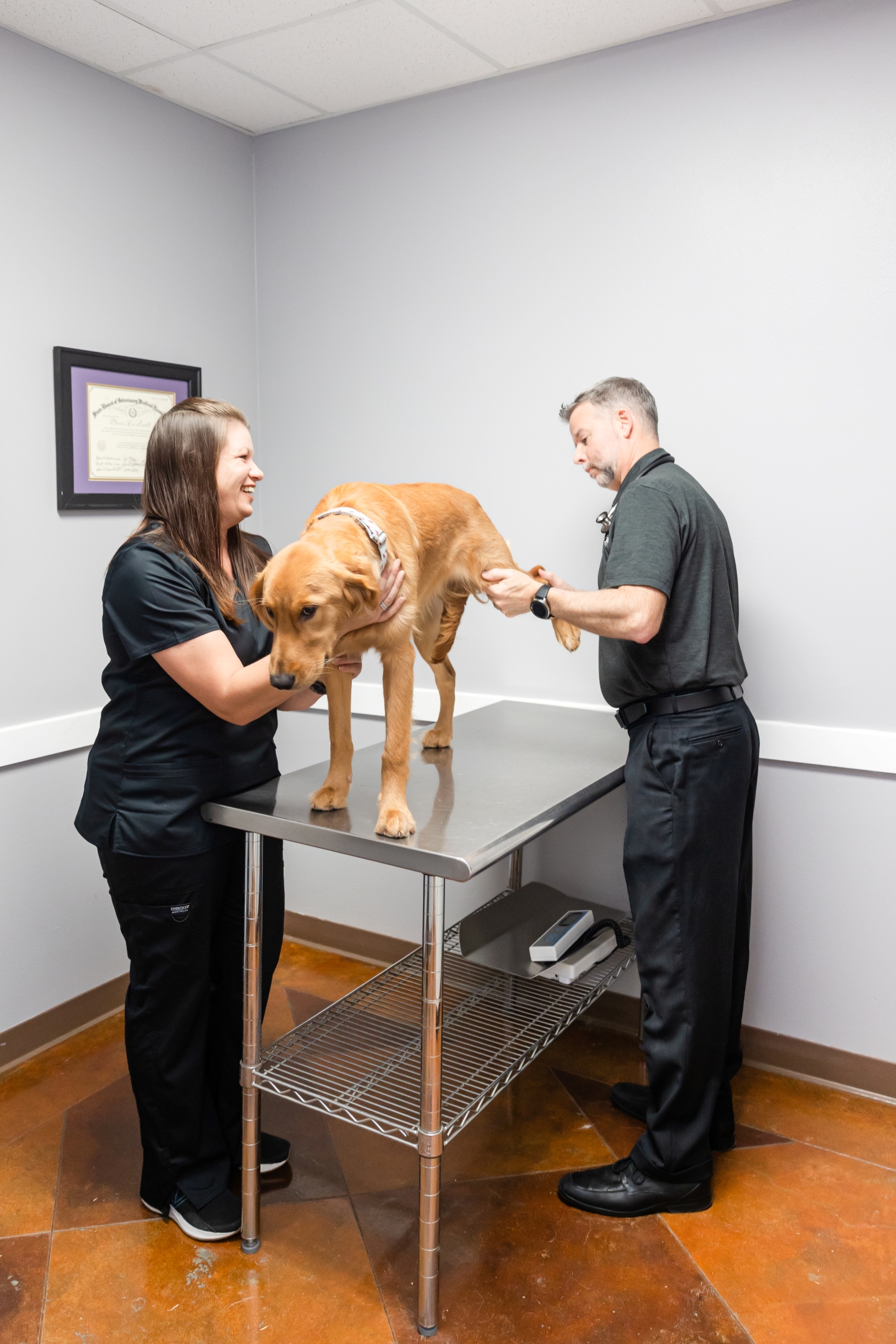
What to expect from your first year with Prairieville Animal Hospital
From the moment you walk in for a new-pet exam to the follow-up visit for a vaccination, your experience should feel collaborative. We aim to offer clarity about risks, practical steps to minimize them, and a transparent discussion about costs and options. A good practice will never pressure you toward superfluous tests or unnecessary products. Instead, it will partner with you to tailor a plan that respects your values and your animal’s wellbeing.
As your pet ages, your relationship with your veterinarian evolves. The goals don’t change: preserve health, manage pain, and maintain a good quality of life. You’ll still need routine vaccines, dental care, and preventive medications, but the cadence might shift. Early in the life stage is a time for establishing joint support, dental health, and nutrition that keeps energy at an appropriate level. Later, you’ll lean more on weight management, cognitive support if applicable, and consistent pain assessment with age-appropriate interventions.
Thinking ahead without losing immediacy
The most valuable advice I can offer new pet parents is to think ahead and stay grounded in the present. Your pet’s daily life is the laboratory where health and happiness intersect. The choices you make around feeding, enrichment, and preventive care create a compounding effect over weeks and months. It’s a practical, observable truth: small, consistent actions add up in meaningful ways. When you fail to get the basics right—an inconsistent feeding schedule, missed flea prevention, or delayed dental care—the impact is gradual but real. It’s not about perfection; it’s about momentum and steady improvement.
If you’re preparing to welcome a new family member, remember that your home will undergo a period of adaptation. You’ll learn the rhythm of your pet’s energy highs and lows, the cues they use to ask for attention, and the moments when a quiet, reassuring presence is exactly what they need. The clinical perspective remains consistent: health is built on routine, conscious choices, and timely professional input.
A closing reminder for new pet parents
Let this be your anchor: you are not alone in the learning process. Prairieville Animal Hospital exists to be part of your household’s long game. You don’t have to master every aspect of pet care on day one, but you should commit to a plan you can sustain. When you call for advice on a behavioral concern, a perplexing symptom, or a vaccine schedule, you’re not bothering your veterinarian. You’re engaging in a shared responsibility for your animal’s lifelong wellbeing. A thoughtful partnership yields a calmer home, a healthier animal, and a family that grows more confident with each passing season.
In the end, the art of pet parenting is a blend of science and empathy. We balance the data you collect at home with the clinical insight we gather at the clinic. The best care emerges from that balance: practical, grounded, and respectful of your pet’s unique personality. As you move forward, keep the door open for questions, maintain an ongoing dialogue with your Prairieville Animal Hospital veterinarian, and stay attentive to the small signals your pet offers. Those signals become the map by which you navigate the months and years ahead, turning uncertainty into competence and care into comfort.